|
Destiny |
|
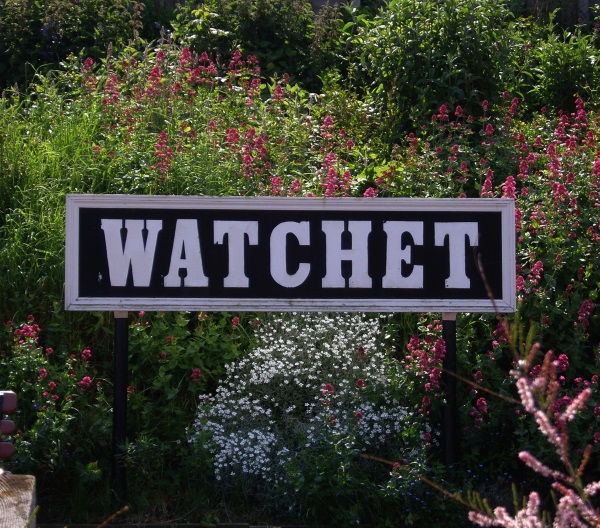
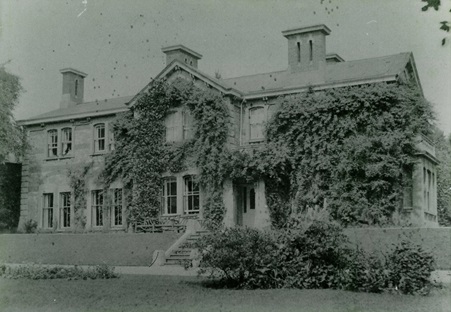
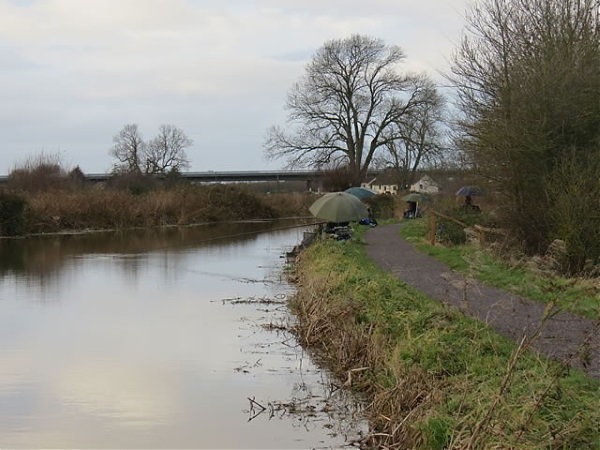
Watchet, & Bridgwater Somerset Mary Allum SULLY came from a family who lived in Watchet, Somerset. She married Reginald RAWLINGS and together with their family came to Auckland, New Zealand in 1885 aboard the 'Garonne'. Bridgwater is mentioned both in the Domesday Book and in earlier Anglo-Saxon Chronicles dating from around 800, owing its origin as a trade centre to its position at the mouth of the chief river in Somerset. Watchet is a pretty port town in north-western Somerset, built around a picturesque medieval harbour. Watchet really came to prominence in the Saxon period and was important enough to have its own mint. Coins minted in Watchet have been found in Scandinavia, suggesting that they were used to buy off Viking raiders.
Watchet was first recorded during the dark ages, when St Decuman arrived from South Wales and acted as a physician, arbitrator and pastor to the local community. He arrived on a raft with a cow as a companion! In the Iron ages Daws fort was built above Watchet to protect the port and area. Its then natural harbour made it an early trading centre and in the 10th century coins were minted here for Ethelred II and five more Saxon kings. Watchet is unique in that it still retains the court leet system of medieval administration albeit in name. Watchet gets its name from the blue WACET dye found in the cliffs. Watchet became an active port with a host of commodities being traded up and down the coast, to Ireland and Wales, while the Mineral Line bought iron ore down for shipment to Wales.
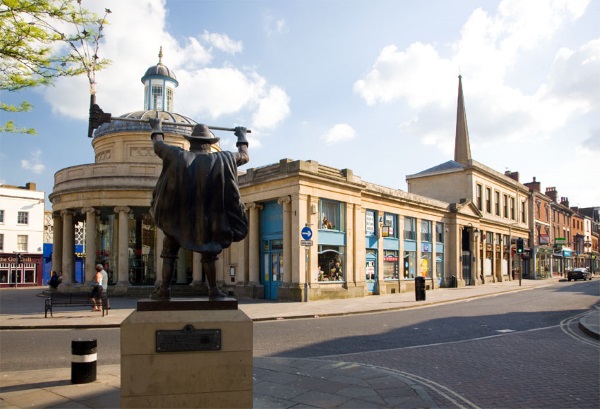
Alfred the Great, burnt some cakes while hiding in the marshes of Athelney near Bridgwater, after the Danish invasion in 875. Alfred later transformed Watchet into a burh, or fortified town, one of just 10 burhs in Wessex by the year AD 919. The town was based around the natural harbour, a haven for shipping that was enhanced in the Tudor period when a breakwater was built west of the harbour. The breakwater was initially made of wood, but was later rebuilt in stone. William de Briwere was granted the lordship of the Manor of Bridgwater by Henry II in 1201. Through William's influence, King John granted three charters in 1200; for the construction of Bridgwater Castle, for the creation of a borough, and for a market. Built on the only raised ground in the town, the castle controlled the crossing of the town bridge. Bridgwater's peasants under Nicholas Frampton took part in the Peasants' Revolt of 1381, sacking Sydenham House, murdering the local tax collectors and destroying the records. The 1605 Gunpowder Plot is thought to have been master-minded by Robert Parsons, born in the nearby village of Nether Stowey. To this day Guy Fawkes is celebrated as a local hero during the carnival season, including a grand illuminated procession through Bridgwater town centre. In the English Civil War, the town and the castle were held by the Royalists under Colonel Sir Francis Wyndham, a personal acquaintance of the King. British history might have been very different had his wife, Lady (Crystabella) Wyndham, been a little more accurate with a musket shot that missed Cromwell but killed his aide de camp. Eventually, with many buildings destroyed in the town, the castle and its valuable contents were surrendered to the Parliamentarians on July 22, 1645.
Watchet was the scene of a bizarre battle during the Civil War, when a Royalist ship was sent to secure the town for King Charles. The ship stood offshore while the tide ebbed away, leaving only shallow water. A Parliamentary force of mounted soldiers took advantage of the tide and galloped through the shallow water, their carbines firing volley after volley at the men aboard ship. Though the horses were up to breast level by the time they reached the ship, the carbine fire caused such a panic that the sailors surrendered. This rare encounter may be the only time a ship at sea was captured by men on horseback. In the 1685 Monmouth Rebellion, the rebel James Scott, 1st Duke of Monmouth was proclaimed King in various local towns including on the Cornhill in Bridgwater. He eventually led his troops on a night-time attack on the King's position near Westonzoyland. Unfortunately, surprise was lost when a musket was accidentally discharged, and the Battle of Sedgemoor resulted in defeat for the Duke. He later lost his head in the Tower of London, and nine locals were executed for treason. Allegedly, until recently members of the Royal Family would not pass through Bridgwater without drawing the blinds of the Royal Train as a result of this escapade. Bridgwater became the first town in Britain to petition the government to ban slavery in 1785. In 1896, the trade unionists of Bridgwater's brick and tile industry were involved in a number of strikes. The Salisbury government sent troops to the town to clear the barricades by force. This was the first use of the Riot Act in the UK in an industrial dispute, and not the UK miner's strikes of the 1980s as is commonly stated. The influence of the local Wyndham family on the history of Watchet cannot be overstated. In 1708 Sir William Wyndham had a new harbour built, and in 1843 a later Wyndham, the 4th Earl of Egremont, had the broad Esplanade built along the harbour. The celebrated maritime artist Thomas Chidgey, a native of Watchet, was inspired by the busy port and the sailing ships he saw there. Several of Chidgey’s paintings are on view in the Market House Museum.
|


|
|
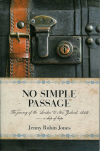
| The Journey of the "London" and her passengers
from England to New Zealand in 1842. Thomas & Susannah Chamberlain, together with their four
children sailed aboard the London on this voyage to Port Nicholson. The author is Jenny Robin Jones
a descendant of one of the passengers. The book was published in 2011 by Random House ISBN 978 1
86979 510 8 |
|
|
|
|
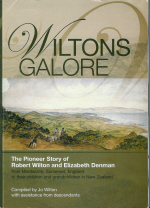
The Pioneer Story of Robert Wilton and Elizabeth Denman from Montacute,
Somerset, England and continued through their children and grand-children in New Zealand.
Mary Wilton married Arthur Joseph Chamberlain, and this is the story & record of her
family. |
|
|
|
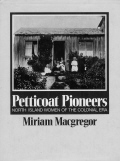
Stories of New Zealand's North Island women of the colonial pioneering
era compiled and recorded for us by author Miriam Macgregor. Two of the women featured in
this book are Susannah Catherine (Bull) Chamberlain and her daughter -in-law (Catherine
McKenzie) Kitty Chamberlain. |
|
|
|
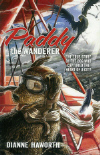
The true story of an Airedale dog who captured the heart of the city of
Wellington during the dark days of depression. Also captured here is Paddy's association with
Blue Taxicab manager, Merlin Chamberlain. The author is Dianne Haworth, a dog-lover and
editor of Animal's Voice, who lives and works in Auckland. |
On the Trail
of
Parker & Walker
Families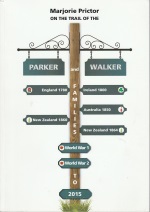
This 2015 self-published family history has been put together by Marjorie Prictor on the trail of Parker and the Walker families who came to New Zealand in the 1860s. Marjorie is a descendant still living in the Northland district of Port Albert where each of these families settled.
Douglas Family
Reunion
1843-1981
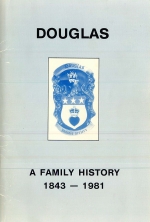
A family history of the Douglas Family in Australia, compiled in 1981 for a family
reunion by sisters Grace Douglas & Rosalie Vanstan of Bendigo, Victoria.
Downloadable as file-093 from the Supplements Page.
|